Skip to content
Monday, June 1, 2026

Cyberbytes Daily

Your one stop for cybersecurity news

  • Home

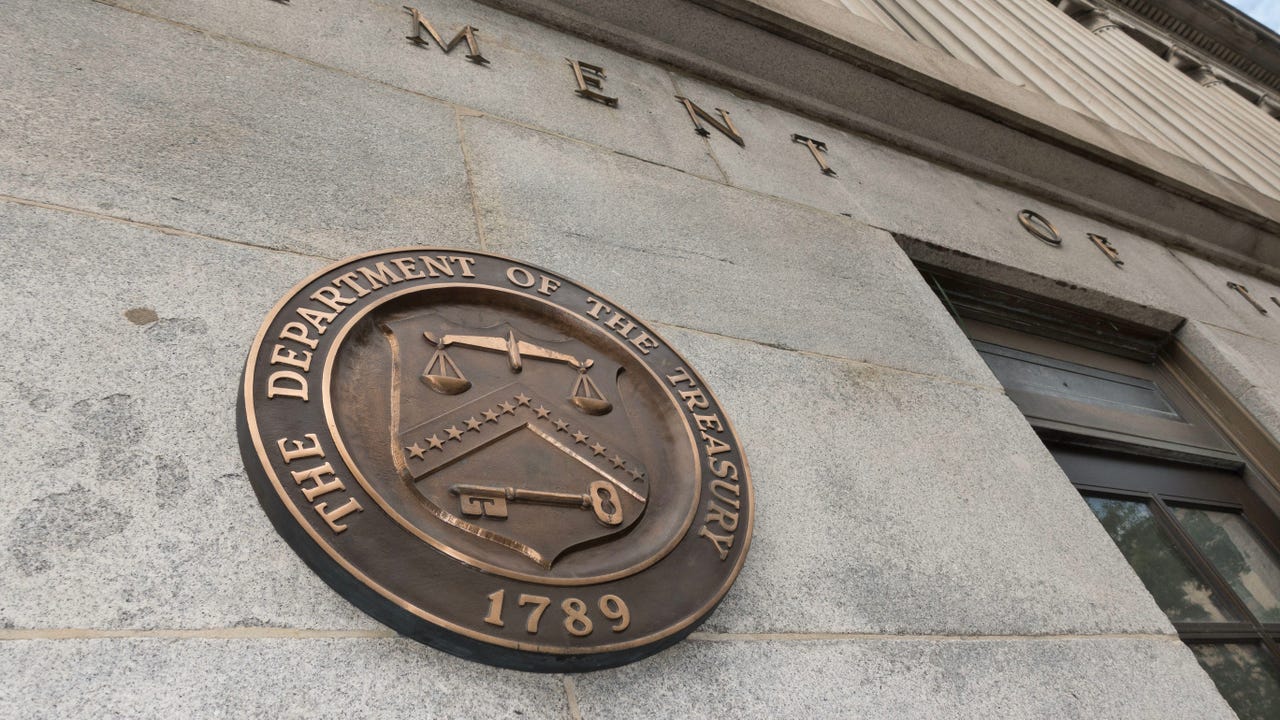
US Treasury Sanctions BPH Provider Aeza Group

Posted on July 2, 2025
US Treasury Sanctions BPH Provider Aeza Group

In the past, the bulletproof group has been affiliated with many well-known ransomware and malware groups, such as BianLian and Lumma Stealer.

​The original article found on darkreading Read More
Share this:

  • Share on Facebook (Opens in new window) Facebook
  • Share on X (Opens in new window) X

Like this:

Like Loading…
Posted in Cyber Security News

Post navigation

Previous: Initial Access Broker Self-Patches Zero Days as Turf Control
Next: Qantas Airlines Breached, Impacting 6M Customers

Related Posts

CISA Adds Actively Exploited XSS Bug CVE-2021-26829 in OpenPLC ScadaBR to KEV
  • Cyber Security News

CISA Adds Actively Exploited XSS Bug CVE-2021-26829 in OpenPLC ScadaBR to KEV

  • cyberbytes
  • November 30, 2025
  • 0

The U.S. Cybersecurity and Infrastructure Security Agency (CISA) has updated its Known Exploited Vulnerabilities (KEV) catalog to include a security flaw impacting OpenPLC ScadaBR, citing […]

Share this:

  • Share on Facebook (Opens in new window) Facebook
  • Share on X (Opens in new window) X

Like this:

Like Loading…
Microsoft Gives Security Copilot Some Autonomy
  • Cyber Security News

Microsoft Gives Security Copilot Some Autonomy

  • cyberbytes
  • March 25, 2025
  • 0

New agentic AI capabilities in Microsoft Security Copilot will allow agents to triage threats and provide recommendations. ​The original article found on darkreading Read More

Share this:

  • Share on Facebook (Opens in new window) Facebook
  • Share on X (Opens in new window) X

Like this:

Like Loading…
New Phishing Attack Using Invisible Characters Hidden in Subject Line Using MIME Encoding
  • Cyber Security News

New Phishing Attack Using Invisible Characters Hidden in Subject Line Using MIME Encoding

  • cyberbytes
  • October 28, 2025
  • 0

Security researchers have discovered a sophisticated phishing technique that weaponizes invisible Unicode characters embedded within email subject lines using MIME encoding—a tactic that remains largely […]

Share this:

  • Share on Facebook (Opens in new window) Facebook
  • Share on X (Opens in new window) X

Like this:

Like Loading…
Copyright © 2026 Cyberbytes Daily Theme: Press News By Adore Themes.
%d